The chair tilts back. The artist preps the needle. Your heart picks up speed because you know what comes next: hours of stinging, scratching pain across skin that suddenly feels far too thin. This is the moment most people wish they had planned better. A good numbing cream changes that scene. The wrong one leaves you sweating through it anyway.
Picking the right product is not as simple as grabbing whatever shows up first online. Skin reacts differently. Procedures vary in depth, length, and intensity. The numbing cream that works beautifully for a small wrist tattoo might fall flat for a six-hour back piece.
Here is how to think it through.
Match the Cream to the Procedure
Tattoos, laser sessions, and piercings each put your skin through something different. A tattoo needle moves fast and deep, hitting the dermis thousands of times per minute. Laser treatments deliver heat in pulses. Piercings are quick but sharp.
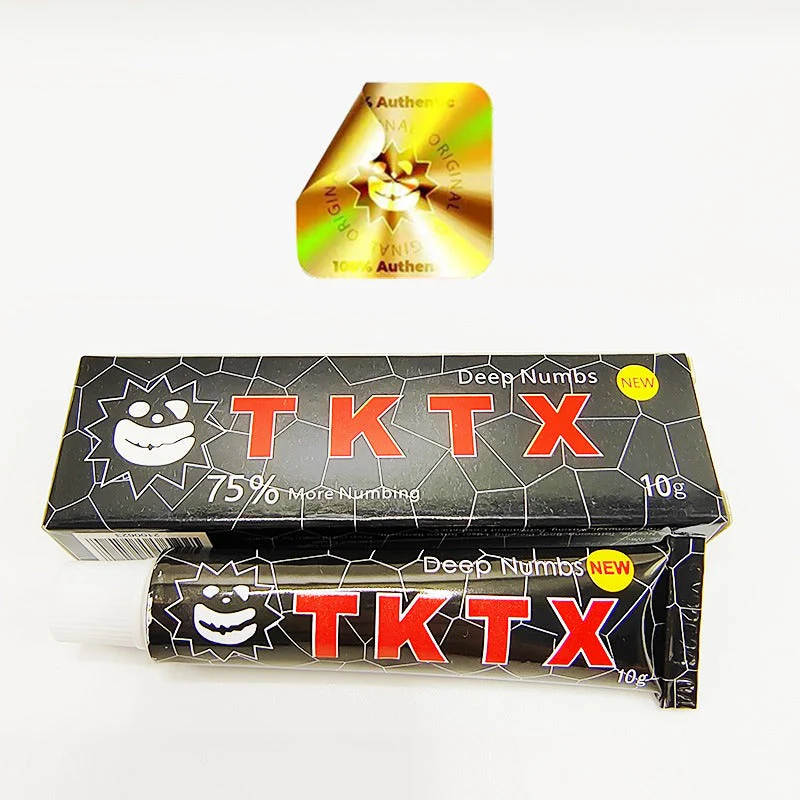
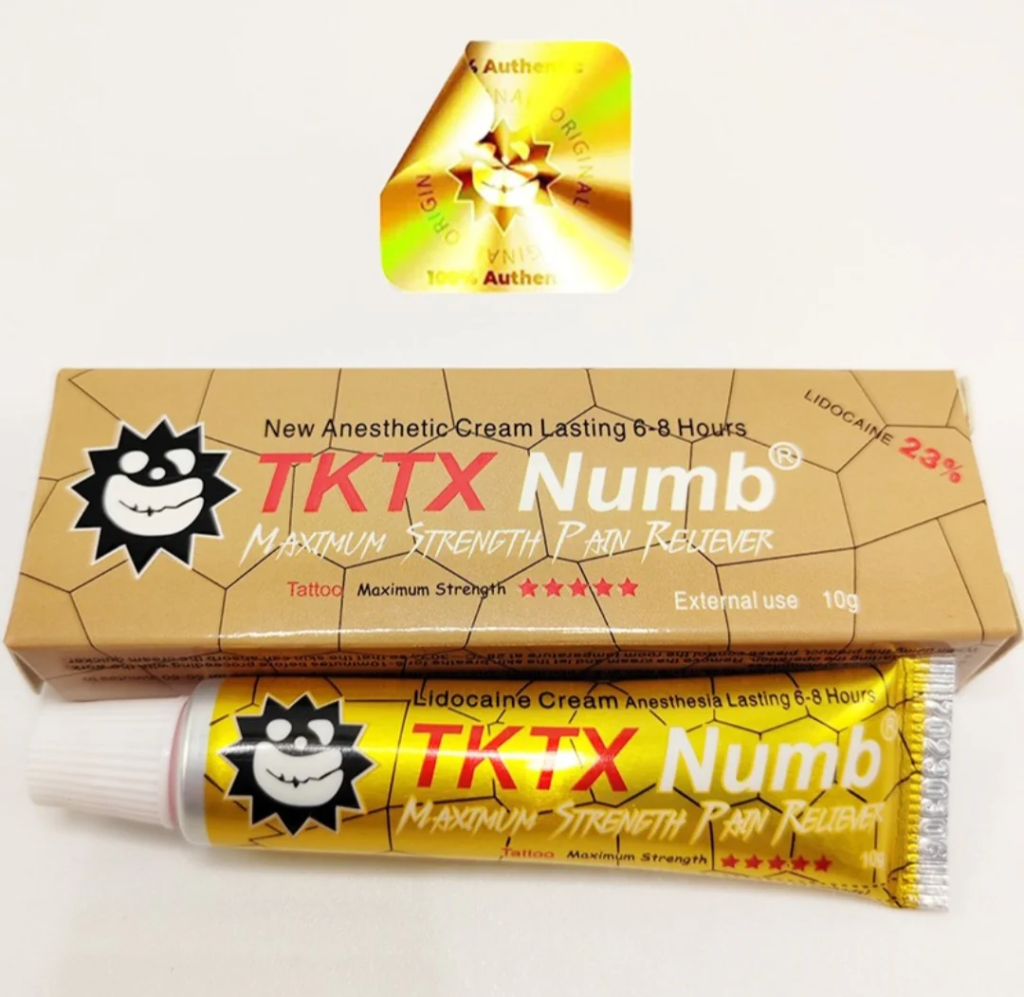
For longer tattoo sessions, you want a cream that lasts. TKTX numbing cream can hold off pain for up to 6 hours when applied properly. That kind of duration matters when you are looking at a full-day session and do not want to interrupt the flow halfway through.
For shorter cosmetic procedures or smaller tattoos, a numbing spray or gel might be enough. Sprays are quick to apply and useful when the artist needs to re-numb a finished outline. Gels sit somewhere in between, easier to control than a spray and faster acting than a thick cream layer.
Think about what you are walking into. A small ankle tattoo and a full sleeve are not the same job.
Skin Type Plays a Bigger Role Than People Realise
Thinner skin areas like the ribs, inner arm, sternum, and back of the knee feel pain more sharply. These zones often need stronger formulas with longer wear time. Thicker skin on the outer thigh or upper arm tolerates pain better, so a standard cream will usually do the job.
Sensitive skin is its own problem. Some people react to certain anaesthetic agents, especially if they have had allergic responses to lidocaine in dental work. A small patch test 24 hours before the procedure tells you what you need to know. Apply a small amount to the inner forearm, cover with cling wrap, and wait. Any itching, redness, or swelling means try a different product.
Oily skin holds cream differently from dry skin. Hairy areas need shaving first, or the cream cannot reach the surface evenly. These small details often decide whether the numbing actually works.
See also: What to Check Before Choosing Around Should I Take Mounjaro
Strength and Format Matter
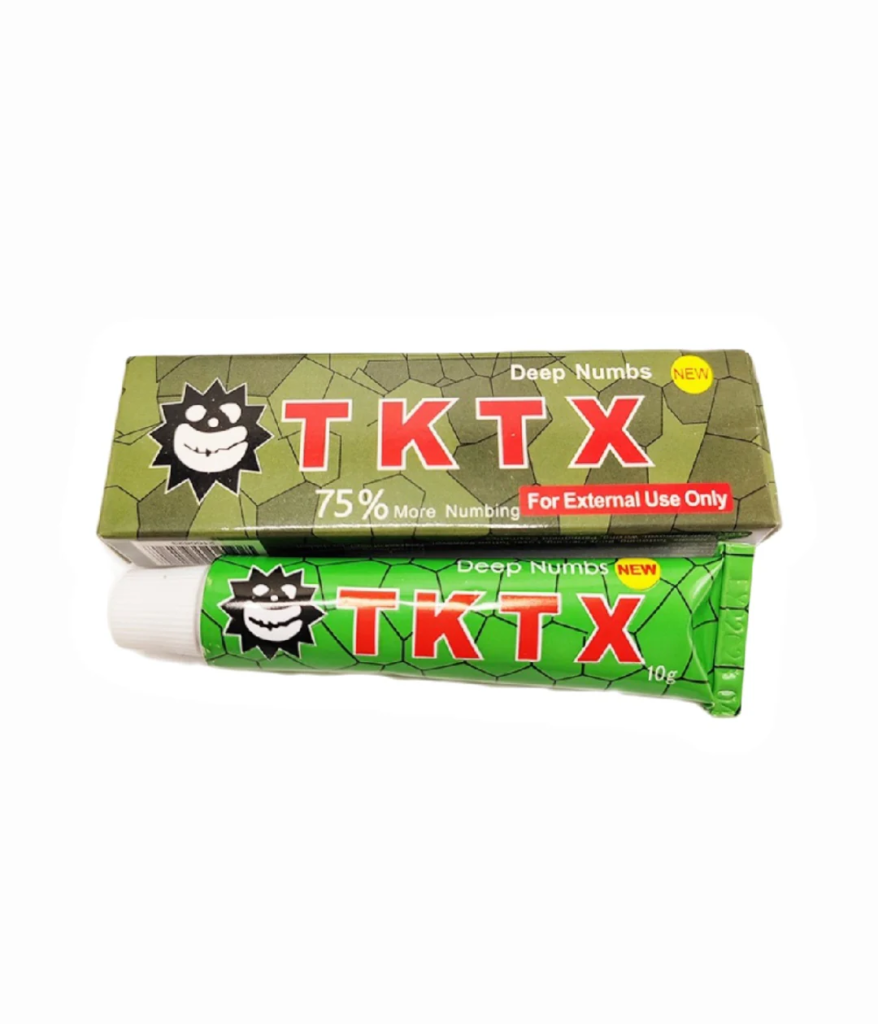
Numbing creams come in different concentrations. Stronger formulas like TKTX Black or TKTX Green sit at the higher end of the strength scale and are designed for people who need maximum coverage. Tatts Numb takes a slightly different approach with a 100% formula popular among Australian tattoo enthusiasts.
The format also affects how the product performs.
- Creams give the longest hold and the deepest numbing. They suit long sessions.
- Gels are lighter, absorb faster, and work well for medium-length jobs.
- Sprays are quick fixes, often used during the session when the first cream layer wears off.
Most people end up using a combination. Cream before the session, spray during. That mix tends to cover the full session without leaving any window of full sensation.
The Application Decides Everything
You can buy the best cream on the market and still feel every needle if you apply it wrong. The basic process looks like this.
Warm the tube in a cup of hot water for around 3 minutes before opening it. This activates the cream and helps it spread evenly. Clean the area with soap and water, then shave any hair. Apply a thin first layer, rub it in, then add a thicker second layer without rubbing it in. Cover with cling wrap for at least 2 hours so your body heat works with the cream.
Right before the session, wipe the area clean. The artist starts on numbed skin. After the outline, a second light application of cream or a spray can extend the numbing for the rest of the work.
Skip any of these steps, and the cream underperforms. The numbing window is real, but you have to give it the conditions to work.
The Honest Bit
There is no cream that turns a tattoo into a nap. The good ones reduce the sharp pain to something manageable, a dull pressure rather than a sting. That alone changes the experience. Sitting still becomes easier. Long sessions become possible. The result on your skin ends up cleaner because you were not flinching the whole way through.
Choose based on your procedure, your skin, and the strength you actually need. The right pick is the one that fits the job in front of you, not the loudest name on the shelf.