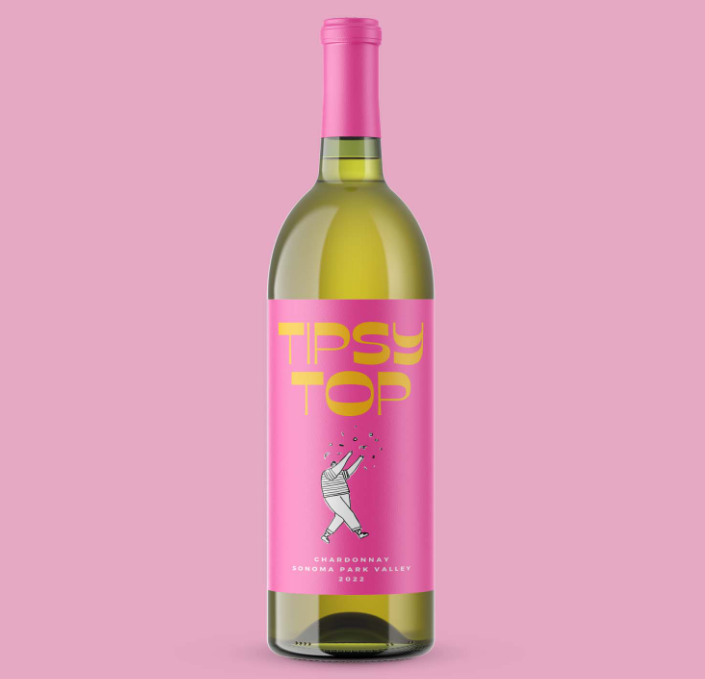
Wine drinkers have become pickier about what they pluck off a shelf, and the label is doing most of the heavy lifting before anyone tastes a drop. The visual cues, the texture, the typeface choices: every little detail signals quality. Wineries that overlook this stuff get passed over for something flashier sitting right next to them.
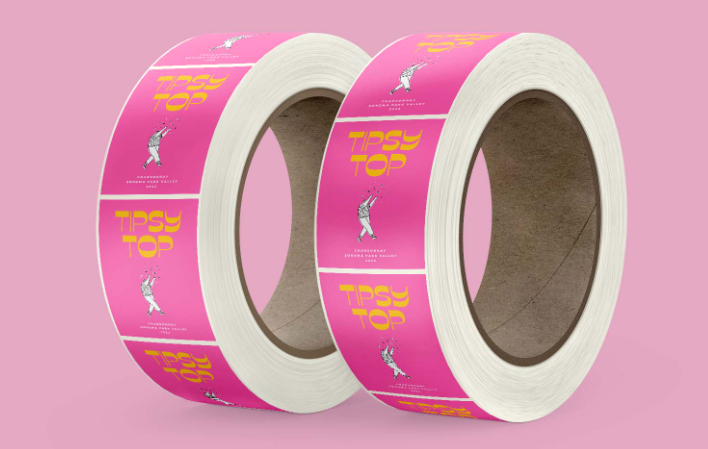
A bottle’s exterior is basically a salesperson working a 24-hour shift, no breaks, no complaints. Australian wineries hunting for custom label wine printing options can lean on Australian-based online platforms that deliver high-quality production, sharp colour reproduction, and design-led results without the headache of overseas shipping. The right printing partner shortens turnaround times and keeps creative control firmly in the winemaker’s hands from concept through to delivery.
Your Bottle Has Three Seconds, Make Them Count
First Impressions Do Most of the Talking: Buyers walking down a bottle shop aisle decide in seconds, not minutes, and your label is the one doing all the chatting. A polished design suggests the contents inside have been treated with the same kind of care. Wineries that skimp on visual refinement watch shoppers reach for the bottle right next door without thinking twice.
Colour Is Quietly Bossing Buyers Around: The hues on a wine label do way more than match the brand: they speak directly to a shopper’s mood and expectations. Colour psychology in packaging research shows deep burgundies and golds tend to suggest richness, while soft pastels lean approachable and easy-going. Knowing these cues helps wineries position their range with real intention rather than crossing fingers.
Fonts and Feel Are Doing the Heavy Lifting
Typefaces Are Talking Behind Your Back: Type choices set the personality of a bottle before anyone reads the variety. A serif typeface tends to whisper tradition and heritage, while clean sans-serif fonts read as modern and refreshingly unfussy. Mixing too many fonts on one label creates visual chaos that sends shoppers running rather than reaching.
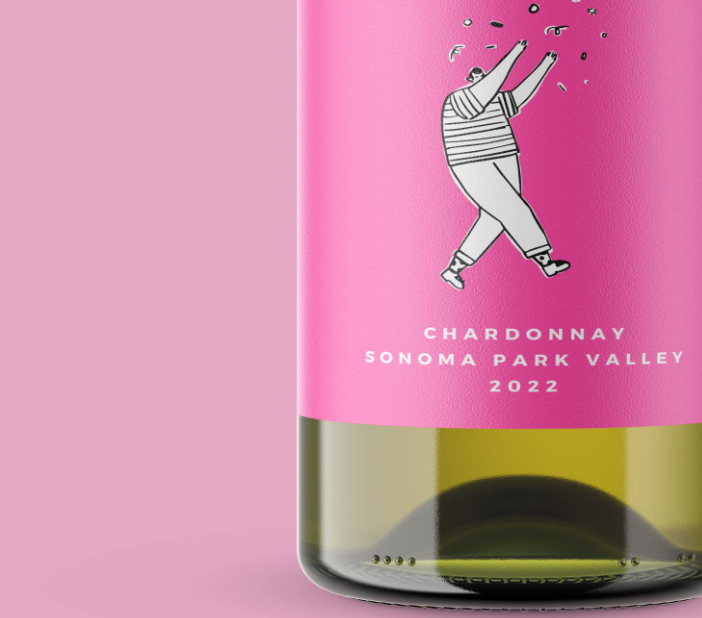
Texture Sneaks in and Steals the Show: The feel of a label matters as much as how it looks under bottle shop lighting, sometimes more. Uncoated paper stocks give a premium tactile finish that wine drinkers associate with smaller, hand-finished operations. Typography hierarchy paired with the right paper choice creates a tactile reading order guiding the eye from name to grape variety to vintage.
The Bits That Separate the Hero Bottles From the Wallflowers
Clarity Earns Trust Before the Cork Pops: Wine buyers want a quick read on what they’re picking up, especially with so many options crowding shelves these days. Regulatory details, region of origin, alcohol content, and producer name need to read clearly without dominating the design. When this stuff is buried or muddled, shoppers tend to assume the producer is hiding something.
A few practical elements separate forgettable labels from ones that genuinely hold up:
- A clear hierarchy of information guiding the eye from wine name through to origin and vintage details
- A finish suited to the bottle’s resting environment, with laminates protecting against fridge condensation, humidity, and ice-bucket exposure
- Colour choices reading just as well under warm shop lighting as they do across a candlelit restaurant table
- Compliance details placed cleanly without crowding the central design elements or smothering the brand mark
- A back label supporting the front rather than competing for attention with clashing type or layout choices
Compliance Should Not Look Like a Last-Minute Panic: Australian wine labelling rules cover everything from standard drinks to country of origin and allergen declarations. Squeezing this information in at the eleventh hour makes a label look amateur, no matter how gorgeous the front is. Smart design treats compliance as part of the layout, not a problem to solve at the printing stage.
Where First Print Runs Go Sideways
Skipping Print-Ready Costs You Twice: Plenty of wineries hand over a Word doc or low-resolution image and expect a magazine-ready result, then wonder why the colours look slightly off. Print-ready files matter because they preserve sharpness, colour profiles, and bleed margins that screen designs cheerfully ignore. Cutting this corner usually means reprinting an entire run, which stings the budget twice over.
Mismatched Finishes Make Your Range Look Like Strangers: Wineries running multiple varieties sometimes mix matte and gloss laminates across the range without thinking through how they sit side by side on a shelf. A matte chardonnay next to a glossy shiraz looks like two different brands rather than one cohesive cellar door story. Consistency in finishes ties the range together visually.
See also: The 10 best AI video generators of 2026
Tell a Story or Get Lost in the Crowd
Heritage Cues Land With Modern Drinkers: Today’s wine buyers want to know who made the bottle and where it comes from, even casually. Small visual cues, illustrations of a vineyard, a family crest, or a discreet map reference, can do this without spelling it out. The aim is to suggest a story worth investigating rather than dumping a biography on the label.
Premium Finishes Quietly Brag for You: Synthetic silver label stock delivers a metallic effect mimicking traditional foiled detailing without going down the older route. This appeals to wineries chasing a high-end look for limited releases or reserve ranges. Choosing the finish that fits the wine’s positioning gives the bottle a presence on shelf matching what’s poured inside.
Pouring Confidence Into Every Bottle
A bottle earning a second glance, getting picked up, and ending up in a shopper’s basket is doing exactly what good design should. Wineries serious about competing on shelf need to treat their labels as part of the product itself, not an afterthought stuck on at bottling. Chat to a label printing team that understands wine to bring your next release to life.