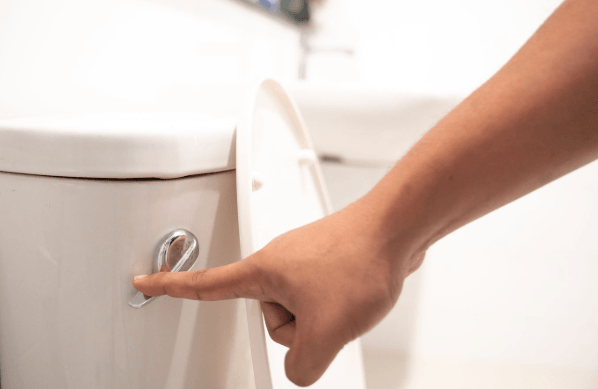
Toilet flush issues can stem from simple misadjustments or worn components. Start with quick checks: valve height, flapper seal, and chain slack, plus any mineral buildup on the flush valve seat. Test for leaks, verify water pressure, and confirm the tank isn’t overfilling. If problems persist, consider replacing the flapper, fill mechanism, or handle and resealing connections. A practical fix path may reveal where professional help is warranted, should basic steps prove insufficient.
What’s the Problem When the Toilet Won’T Flush Properly?
A common malfunction is a toilet that refills slowly or fails to flush with full force, signaling issues in the flush valve, fill valve, or flapper seal. The problem often ties to toilet design and water pressure. Diagnosis focuses on valve alignment, proper seals, and pressure consistency. Address defaults swiftly to restore reliable performance, minimize waste, and preserve user independence and control.
Quick Checks to Restore a Weak or No Flush
If a toilet delivers only a weak flush or none at all, start with quick, tangible tests that pinpoint common culprits: check the fill valve height and ensure the flapper seals correctly, verify the chain or rod has proper slack, and inspect for mineral buildup on the flush valve seat. Include leak detection and assess water pressure before proceeding.
Fixes for Running, Partially Clogged, or Slow-Flushing Toilets
To address running, partially clogged, or slow-flushing toilets, the focus shifts from quick checks to targeted fixes. Inspect the tank carefully for leaks, performing precise leak detection with dye or sound if needed. Replace worn components such as the fill mechanism or flapper. Consider handle replacement if stiffness or misalignment hinders proper flush, ensuring secure, smooth operation.
Preventive Maintenance and When to Call a Pro
Preventive maintenance for toilets centers on routine inspections and timely part replacements to prevent failures rather than react to emergencies. Regular checks identify worn flappers, fill valves, and seals before leaks emerge. Documented schedules guide repairs, preserving efficiency and water use. When issues exceed basic adjustments or safety concerns arise, determine when to call a pro for professional diagnosis and decisive action.
See also: Software Engineering in the AI Era
Conclusion
A final note settles like a calm, resolved ripple in a quiet bathroom. When the tank finally sighs into action, the chain hums with just enough slack and the flapper seats like a careful gatekeeper. The fill valve rises to a steady height, the glassy water clears the bowl, and the flush flows cleanly down the drain. Regular checks keep the system loyal: seal, test, replace, reseal—and call a pro only if the dry spell returns.